Collaboration4 min
How an interior design studio and a web agency work together: TEF and Webdeis
This site is the joint work of TEF İç Mimarlık and Webdeis. How the two work together, how projects move onto the site, and why photography and text matter.
This site is itself the product of a collaboration. TEF İç Mimarlık designs spaces; Webdeis is a web partner that builds and runs corporate websites, online stores and custom software. Here is how the work goes when two professions meet, how projects reach the site, and why photography and text matter so much along the way.
Two professions, a similar method
Interior design and web design look far apart, yet both move in the same order: understand the need, plan, build, and then look after the result once it is handed over. We draw a space by thinking about how its users will move through it; Webdeis builds a site by thinking about which page a visitor arrives on and where they go next. That shared way of thinking made the work easier.
Webdeis works by staying with a site after launch, keeping it running and developing it further, rather than handing it over and stepping away. For a design studio this matters: the portfolio keeps growing and every new project wants adding. Having the people who built the site stay alongside it keeps that flow going.
The brief first: agreeing on what we wanted
The work began with questions, not with design. Who is the site for? What should a visitor see first? If the site had only one job, what would it be? For us the answer was clear: a visitor should see the projects and be able to ask for a conversation easily. Every other decision followed from that sentence.
What was discussed at the brief stage was written down. That stops either side later saying it understood things differently. We do the same in interior design: the notes from the first meeting become the document everyone returns to in later stages.
How projects move onto the site
When an interior project is finished we are left with drawings, photographs of the built space and the story of the job. To bring these onto the site, every project is placed in the same structure: a title, a category (office, healthcare, retail, residential), a short description and photographs. Each photograph gets an alternative text that tells visitors who cannot see the image, and search engines, what it shows.
A standard structure means adding a project never requires a redesign. Project data is read from a single place, so that when projects are later added directly through Webdeis, the structure of the site is intended to stay the same.
The site is published in Turkish and English, and every project appears in both with the same structure. The English version is not a word-for-word translation but the same content written again for an English-speaking reader.
Photography: the real content of an interior design site
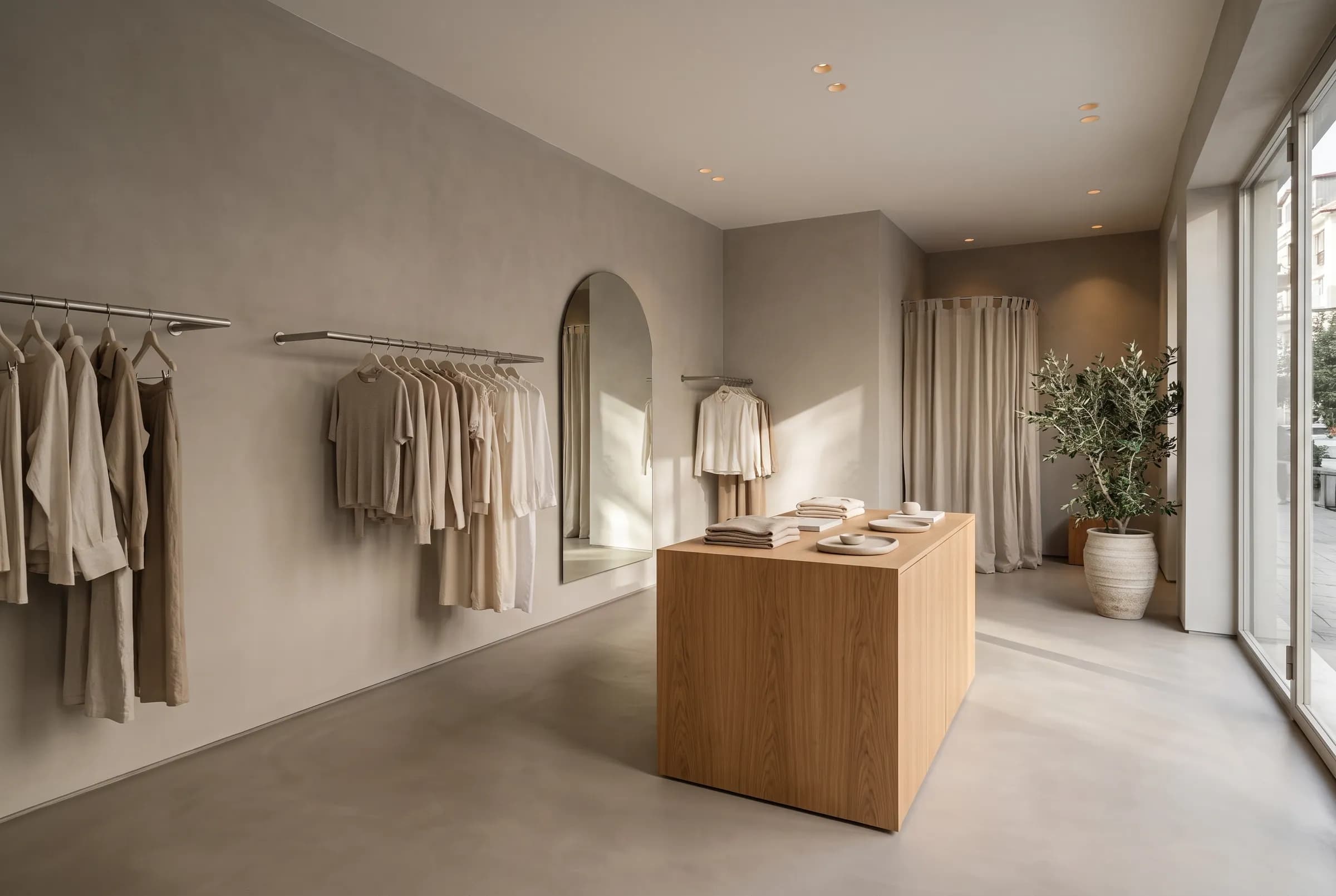
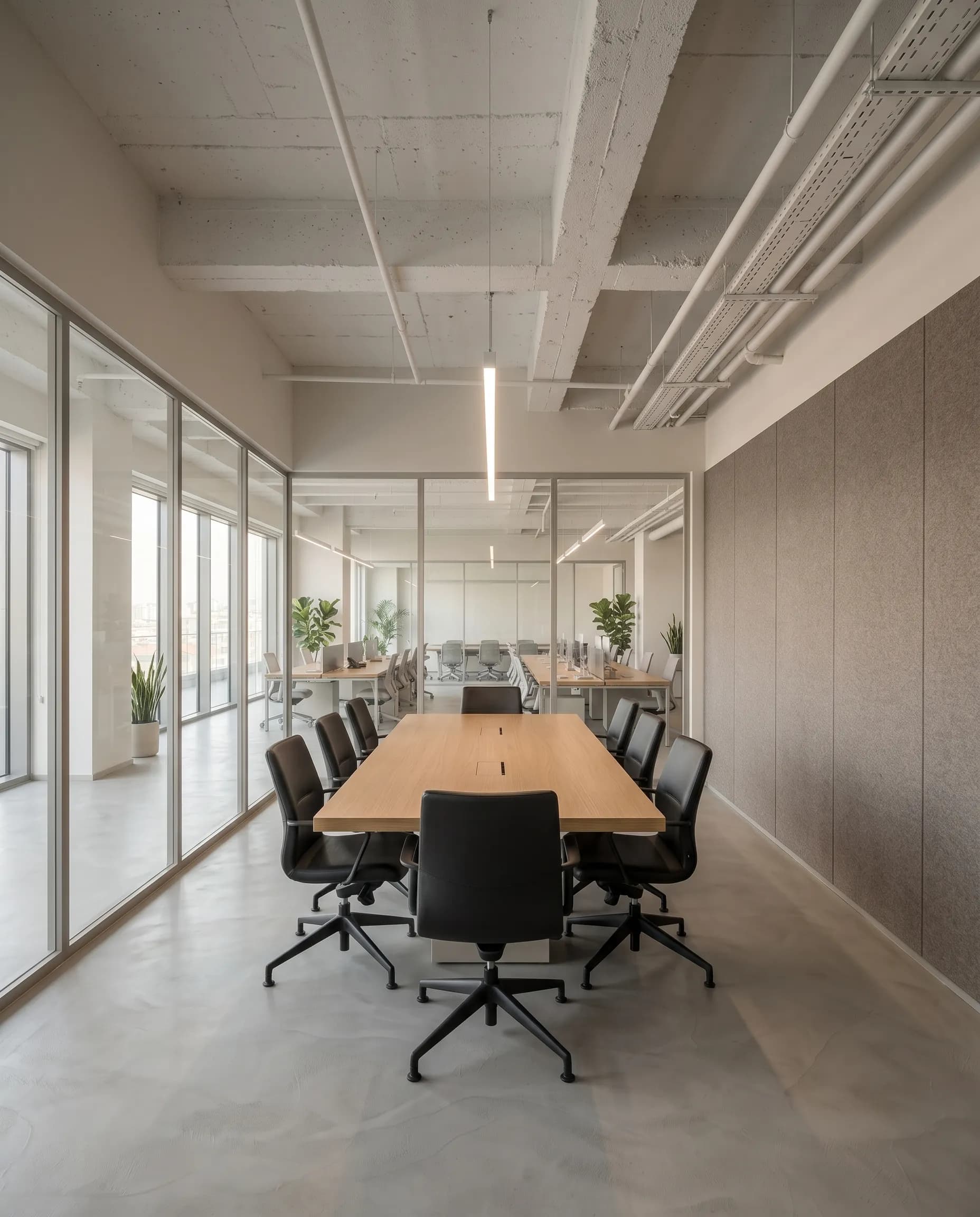
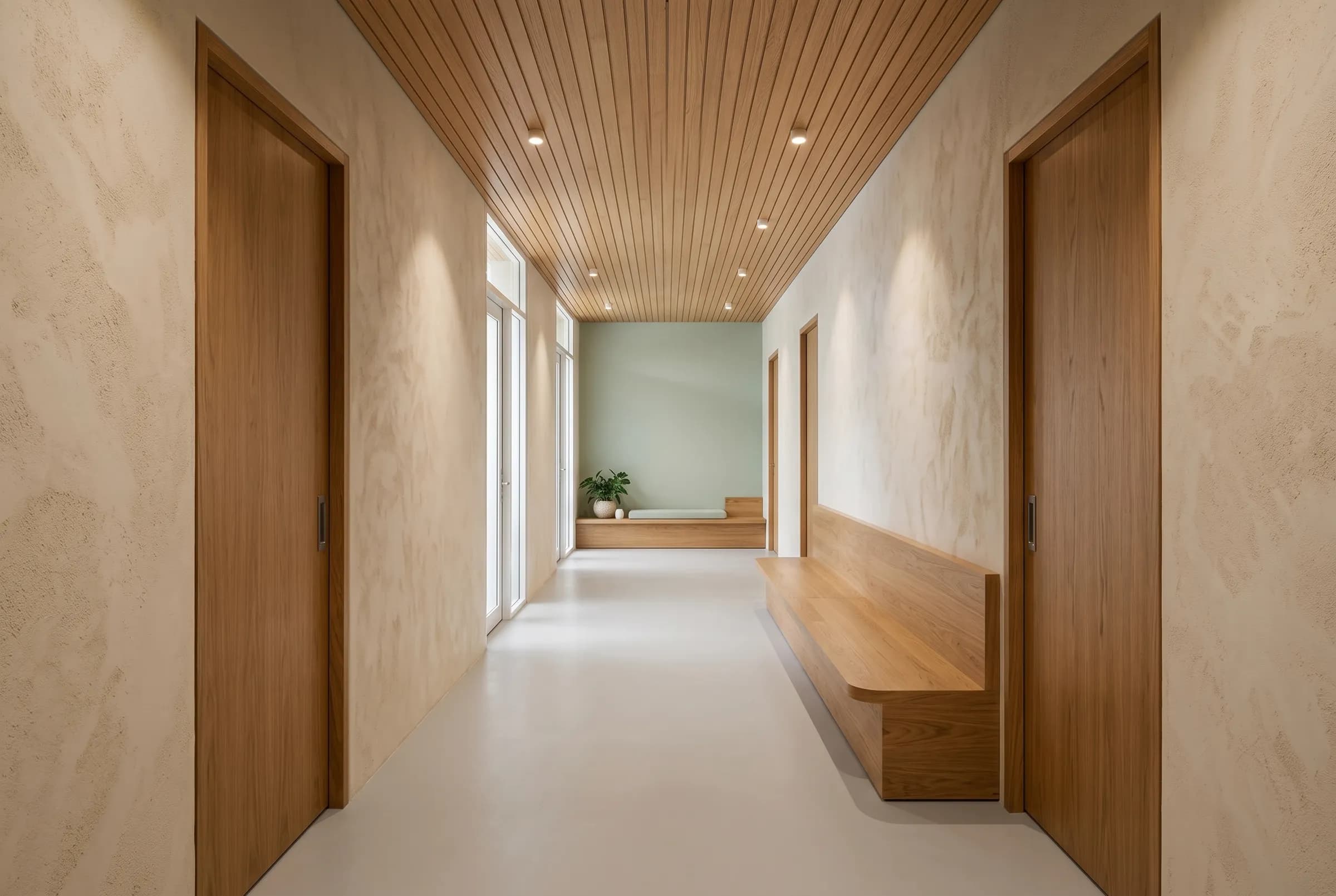
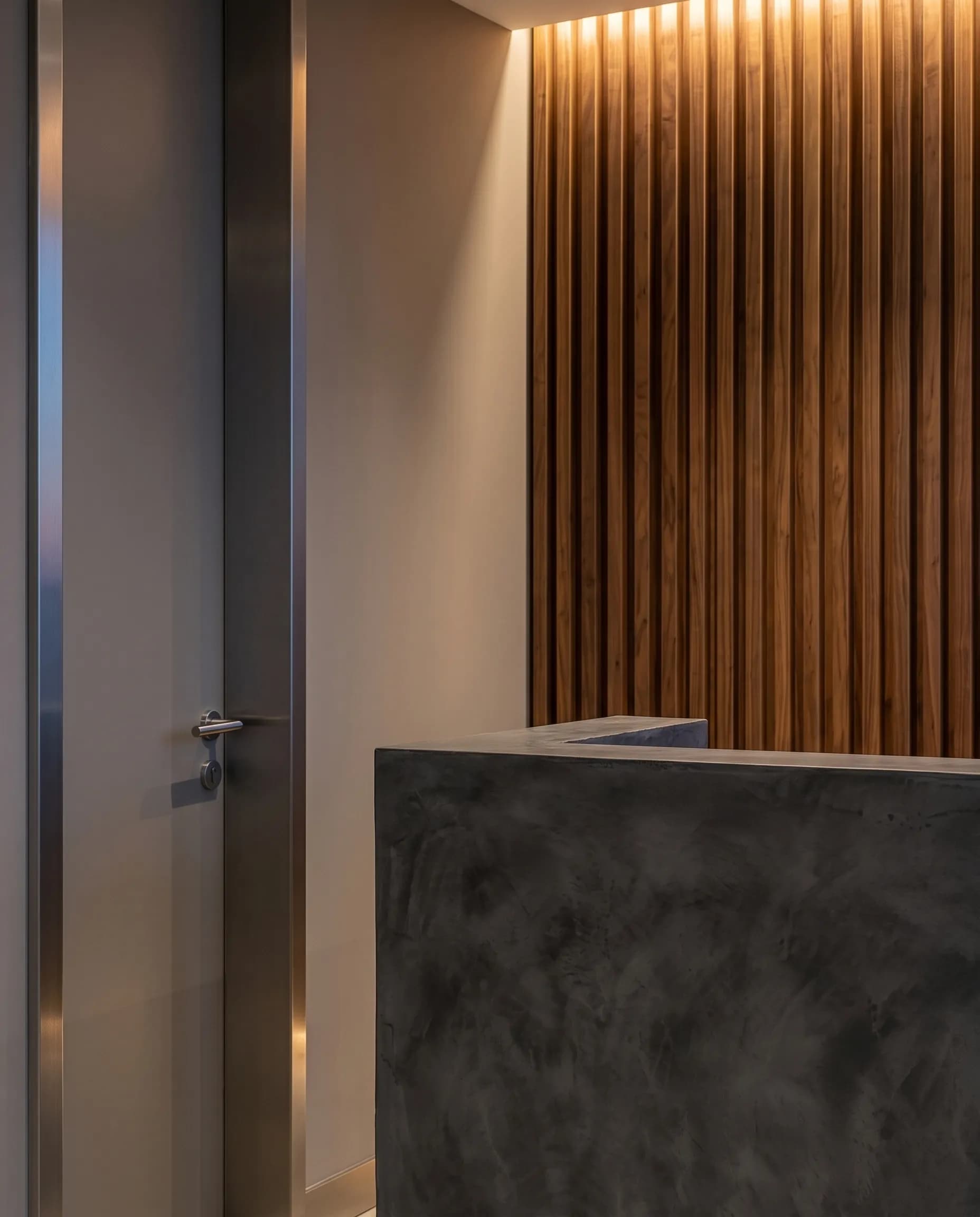
On an interior design site the visitor reads the photographs, not the text. The quality of the photography therefore sets the quality of the site. The finished space needs to be photographed clean and arranged, in the right light, with straight lines. A tilted, yellow-lit, hurried photograph makes even a good project look ordinary.
Working with Webdeis showed us something else: preparing a photograph for the web is a job of its own. Size, compression, crop ratio and loading speed affect both how the site looks and where it appears in search results. When the photographer and the person publishing the image are not the same, who owns that preparation has to be agreed at the start.
Text: little, but accurate
Project texts are kept short: what the client wanted, what the problem with the space was, what we did. No figures, no exaggeration, no general praise. Nothing that cannot be verified goes on the site; that is a principle for both of us. Where a piece of information is not yet available, the field is left empty rather than filled with a placeholder, and completed when the information arrives.
The blog posts follow the same principle. The aim is not to feed keywords to a search engine but to show someone considering trusting us with their project how we think.
Working with a web agency let us look at our own work from the outside. We reconsidered which projects we put forward and why, which words a visitor would use to find us, and what our photographs actually say. What we have now is not just a web address but a tidier way of explaining what we do.
Get in touch to talk about your project.
TEF İç Mimarlık